No in-depth technical guide, just an honest look at what I learned along the way. Maybe you'll recognise yourself in some of these lessons, or it'll save you from making the same mistake I did.
Nobody likes talking about the times they fell. But ask around: almost everyone has put their bike on the ground at some point.
Practice, practice, practice
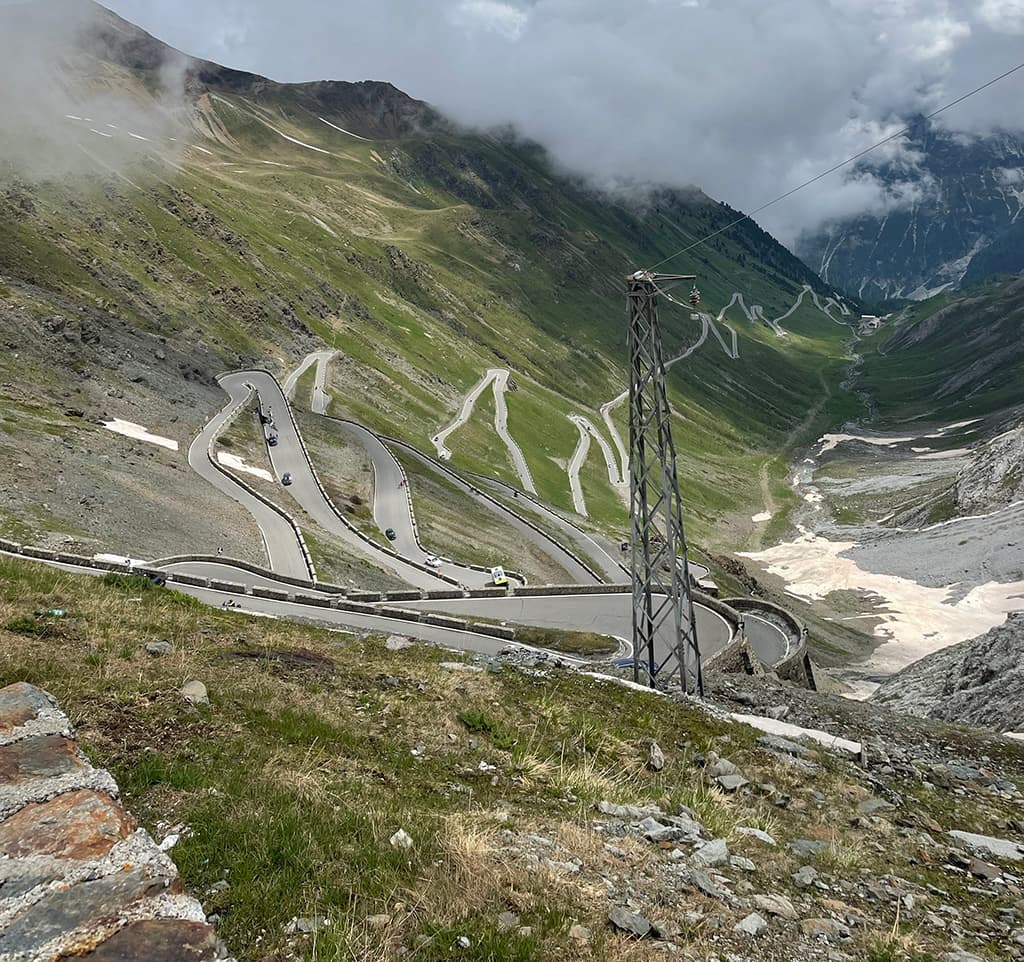
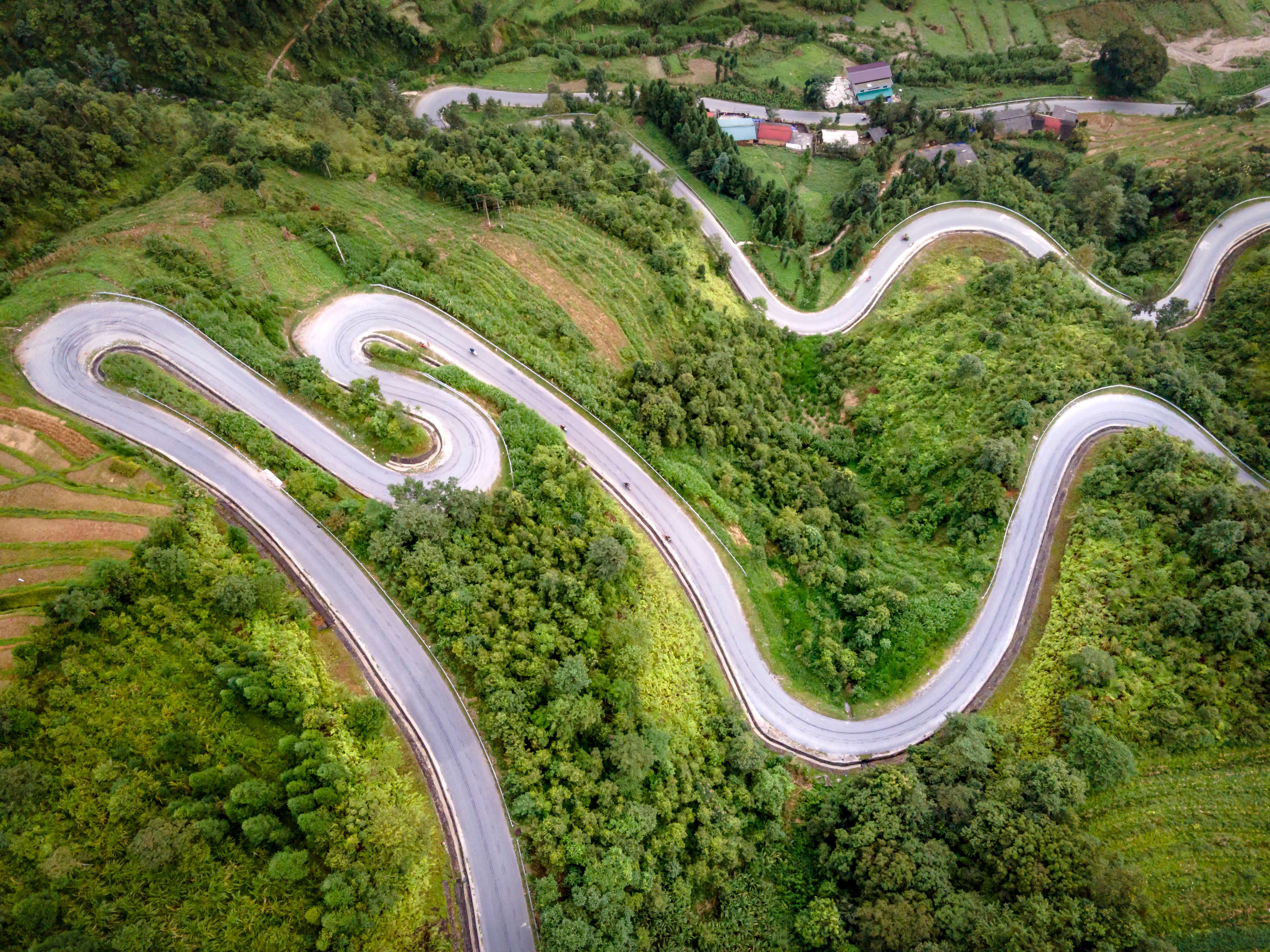
Every country, every road, every mountain pass is different. You don't learn that from a book or by watching videos, just by doing it. I'm not saying you should tackle the Stelvio Pass the moment you pass your test, but the more you ride and explore new places, the more comfortable and confident you'll feel. Every ride counts, however small.
I bought my bike on looks alone
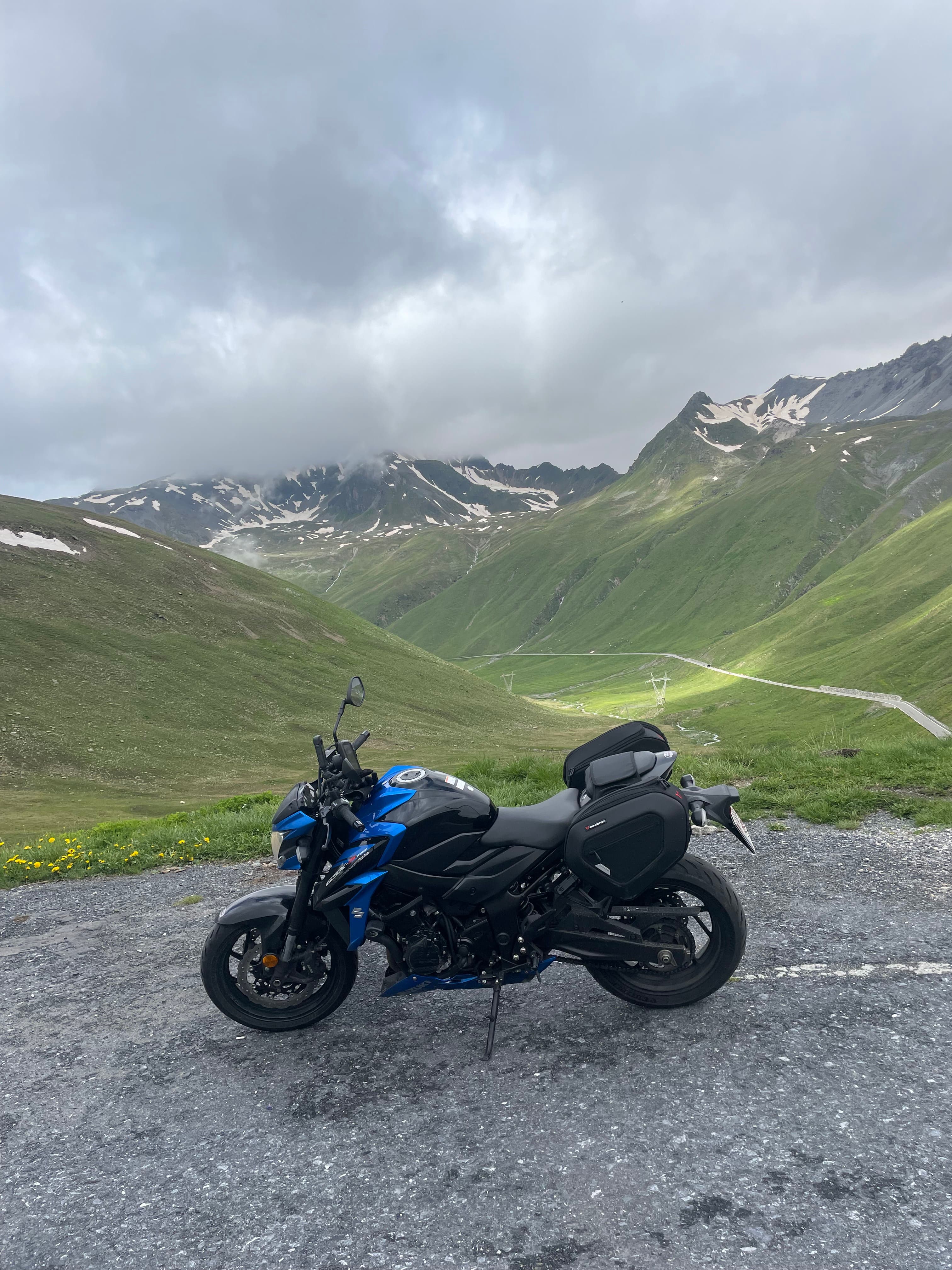
Honestly? I knew nothing about motorcycles when I bought my first one. I saw the Suzuki GSX-S750 in the shop and just knew: I want that one. Without realising it's actually a fairly powerful machine, and a heavy one at that. Afterwards I had to buy boots with a slight heel, otherwise I'd be up on my toes and feel even less secure. These days, after all these years, I'm completely used to my bike and have no regrets, but with what I know now, a lighter model might have been a smarter place to start.
Don't let looks alone decide. Check the weight, the seat height, and whether you can plant both feet properly. A test ride, or at least sitting on it in the shop, tells you far more than a photo ever will.
Falling is part of it, unfortunately
For a long time, I felt like a failure after every fall. You barely hear anyone talk about it, let alone laugh about it openly. But the truth? I think pretty much everyone drops their bike at some point, one way or another. And that's exactly where you learn the most. After my fall on the Stelvio, for instance, I'll never grab the front brake mid-corner again.
Never grab the front brake while you're leaned into a corner. Brake in a straight line, before the bend, not during it.
Gear matters, so much
It's not just about how it looks, everything needs to feel comfortable if you're spending hours on a bike. Safety too, of course. I've ridden in full gear from day one, and that will never change. On trips, I like working with layers: easy to add or remove depending on the weather. For gloves, I always bring a thinner liner pair on holiday, which I can pull on underneath when it gets colder.
Don't underestimate the weather or your fatigue
Preparing physically for a long ride is one thing, but mental breaks matter just as much. For a long time I thought just pushing through was a sign of determination. Now I know better: planning a mental stop, say every 200 km, isn't a weakness, it's a necessity. Especially on long motorway days, fatigue chips away at your concentration faster than you'd think.
Ride your own pace
Don't let a bus, a camper, or another rider push you into going faster than you're comfortable with, especially in corners. I had to learn that too: on the Great Dolomites Road, I made a point of letting the bus wait instead of letting it rush me. No hurry, nothing to prove. Your own pace is the only one that matters when you're the one on the bike.
Pack light, but never on safety
Compact, compact, compact: that's my packing motto. Bring as little as possible, but never skimp on what you actually need. A first-aid kit and a repair kit are always with me, along with a small can of chain spray and visor spray. Those four things live in my backpack by default, no matter how short or long the ride.
- First-aid kit
- Repair kit / tyre puncture kit
- Small can of chain spray
- Visor spray
These are the lessons that have stuck with me the most so far, the kind of things I'd have liked to know before learning them myself. There will no doubt be more as I rack up the kilometres. Have you learned a lesson that belongs on this list? Let me know.