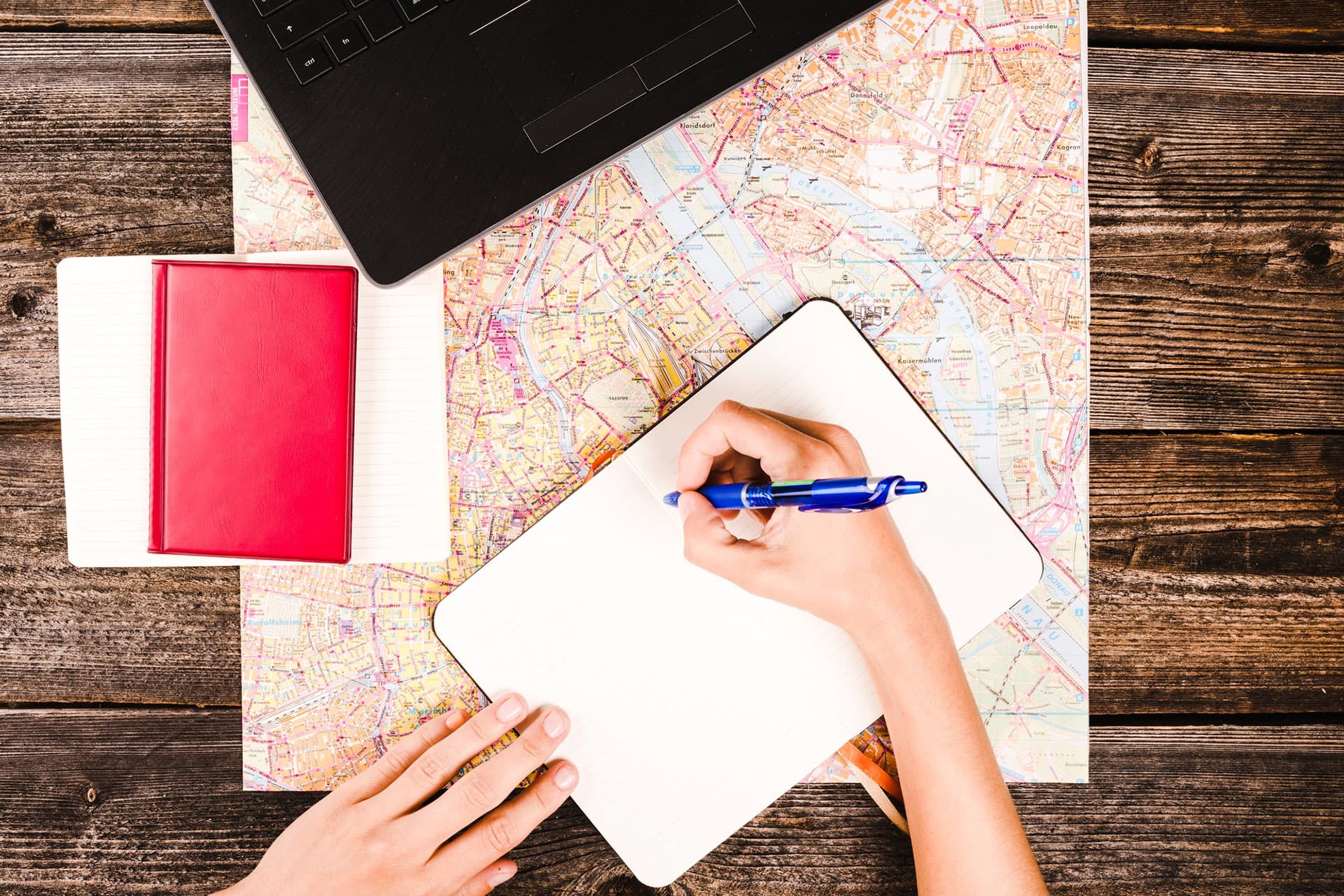

For me, the adventure already starts during the planning phase. Searching for new destinations, dividing the days, drawing routes and selecting hotels. It takes time, but I enjoy it almost as much as the trip itself. While planning, I already feel a little bit on the road.
Destinations we’re considering
Our 2025 wishlist currently looks like this:
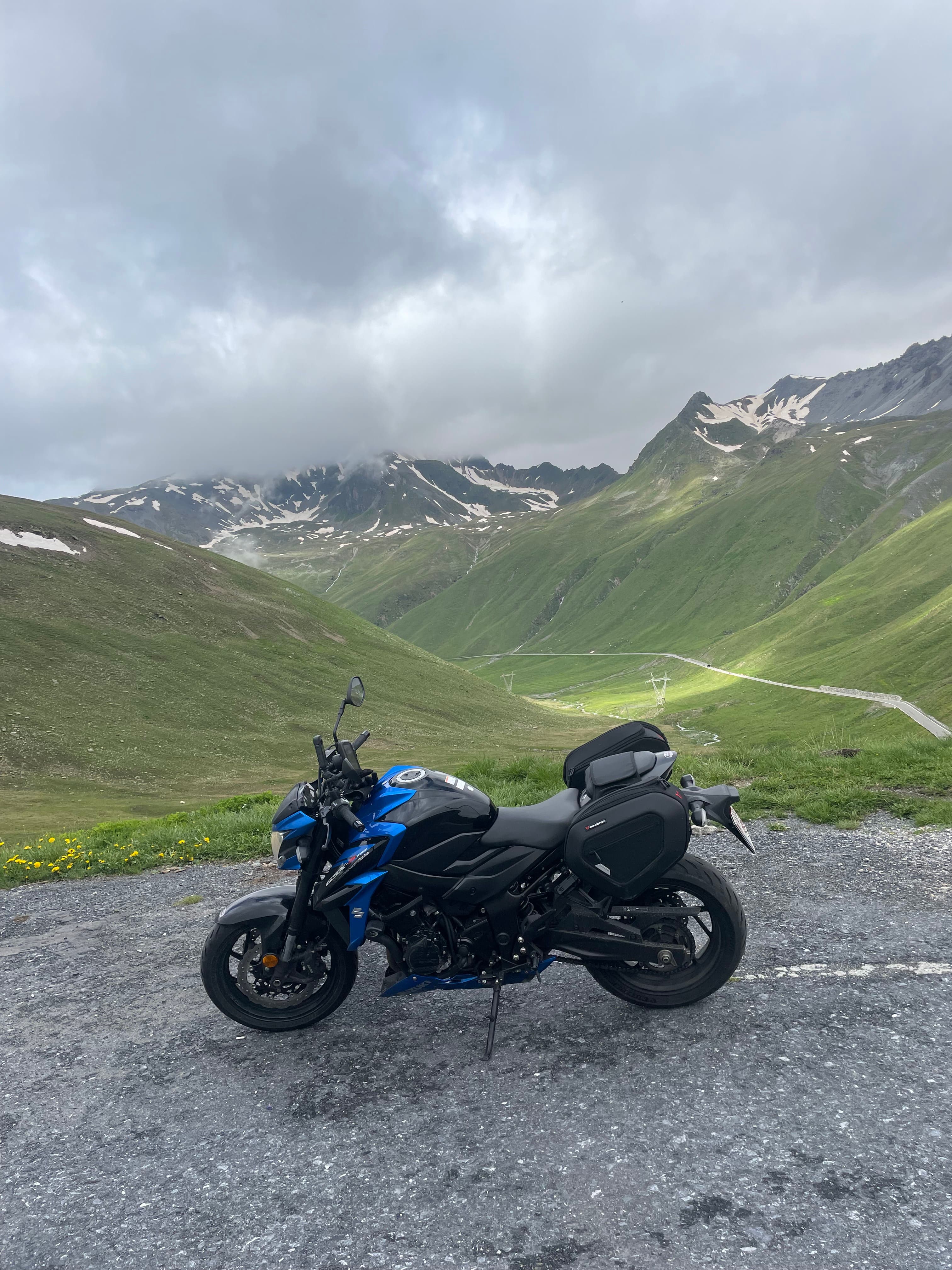
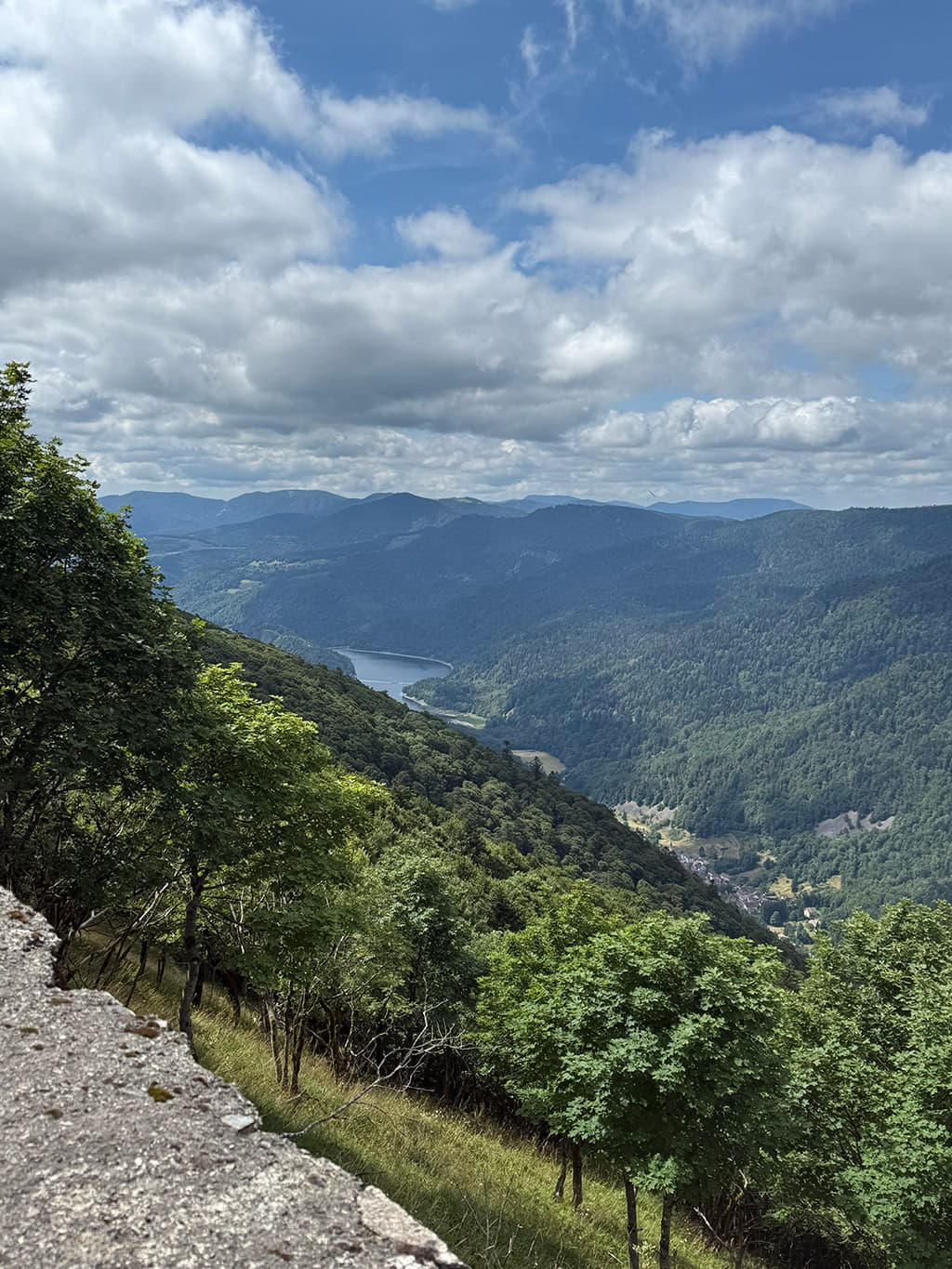
Classics like Grimsel, Furka and the Susten Pass are at the top of my list. I've already ridden here solo before, so it gives me a comfortable, confident feeling: I know the roads and roughly know what to expect. It's immediately the most expensive of the three though: accommodation, restaurants, fuel, tolls... everything costs noticeably more than in Croatia or Slovenia.
Planning day by day
After two solo motorcycle trips, I introduced one golden rule: 500 km per day is my absolute maximum, and that’s mainly highway kilometers. Riding a motorcycle is far more intense than driving a car. After 500 km, you’re physically and mentally tired.
That’s why I always mix ‘blast days’ (highway, covering distance) with ‘scenic days’ (slower, twisty roads, more enjoyment). This balance keeps the trip fun and realistic.
Mapping out the routes
I get inspiration from blogs, YouTube and motorcycle travel websites, but the real work happens in TomTom MyDrive. That’s where I design the full route myself:
- start and end points,
- scenic roads,
- timing towards hotels,
- GPX files of mountain passes I find online.
It takes time and patience, but it massively reduces stress once you’re actually riding.
Overnight stays: safe, simple and flexible
Private parking: for safety and peace of mind
Breakfast included: starting the day well-fed
Free cancellation: essential when weather or routes change
I almost always book via Booking.com. Not sponsored, just based on positive experience. Flexibility is crucial during motorcycle trips. Sometimes the weather turns bad, sometimes you’re exhausted, sometimes you want to add an extra mountain pass. Being able to adjust your accommodation makes everything much easier.
When do mountain passes open?
Even though summer officially starts on June 21st, the mountains don't always follow that calendar. Some passes open late, especially after a snowy winter. Luckily, there are a few reliable sources you can always check:
Which vignettes do you need?
Riding through multiple countries? Check on time which vignettes you'll need:
Riding in summer: don't underestimate the heat
Many riders focus on cold and rain, but heat can be just as challenging, especially in the mountains where temperatures can vary drastically. During summer trips, I've experienced near-freezing temperatures at the top while it was 20°C lower down.
- stop regularly to drink water; mountain air dehydrates you faster,
- invest in ventilated riding gear (with proper protection, of course!),
- dress in layers so you can easily adapt to changing conditions.
Riding mountain hairpins safely and comfortably
Mountain passes are amazing to ride, but they require technique. Especially in countries like Italy or Switzerland, where hairpins can be steep, tight and busy. I learned this the hard way on the Stelvio, where I went down in corner 3. Read here how that fall taught me about riding mountain hairpins safely.
Winter doesn’t feel like the end of the riding season to me, but rather the quiet beginning of a new adventure. While rain taps against the window, a journey slowly takes shape, one we’ll soon be fully enjoying on two wheels.
- Check pass openings: many Alpine passes only open between May and July. Websites like alpen-paesse.ch are essential.
- Build margin into your schedule: weather, fatigue or unexpected stops can change your timing.
- Plan max. 4–6 hours of actual riding per day: with breaks, that equals a relaxed 7–9 hours on the road.
- Book hotels with free cancellation: routes may change due to rain or closed passes.
- Download routes offline: mobile coverage in mountain regions is not always reliable.
- Check webcams: many popular mountain passes have live webcams showing snow and traffic conditions.
- Respect closures: both for your own safety and because fines can be significant.